


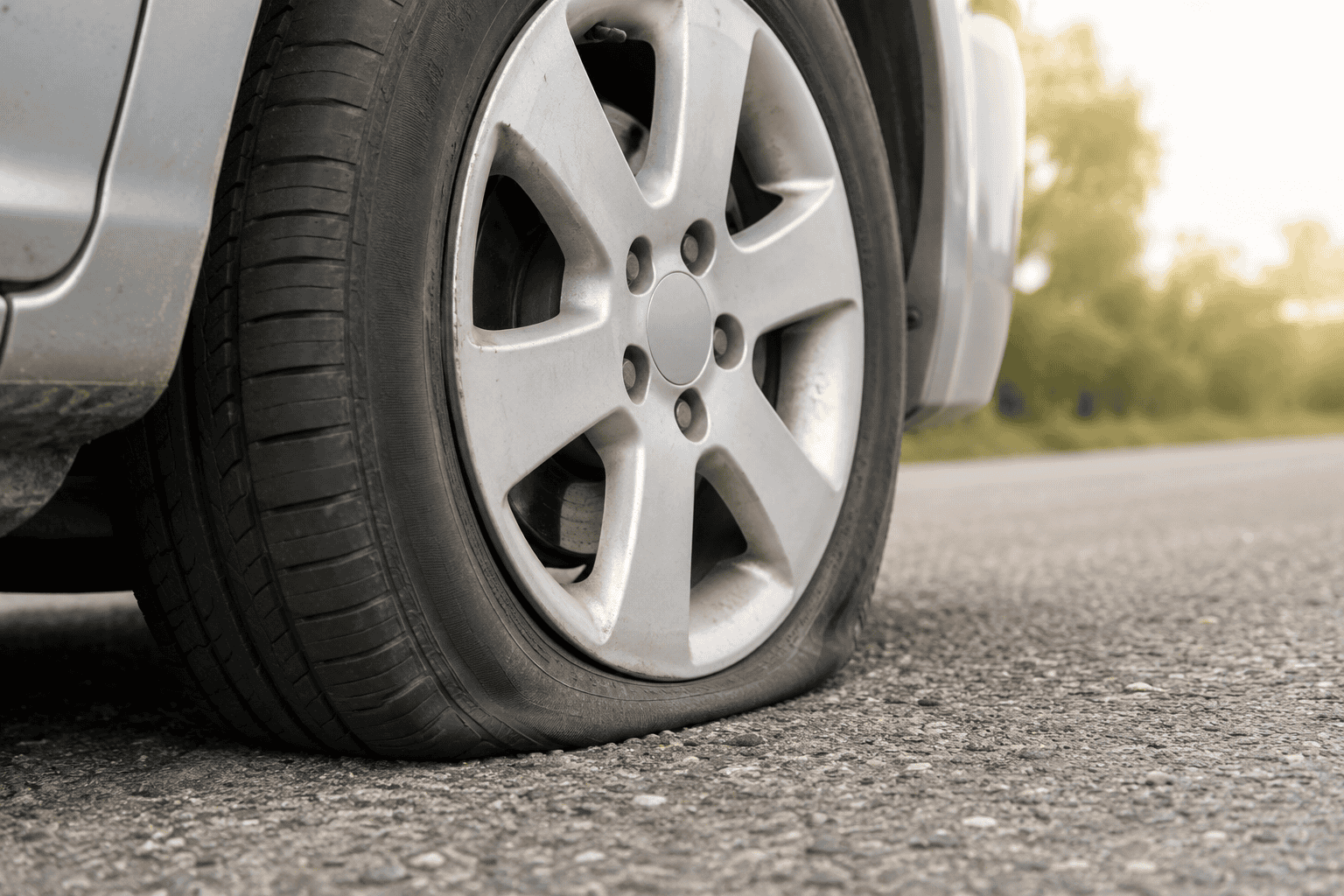
Most drivers don’t think much about tyre pressure until there’s a visible problem. The reality is, even slightly underinflated tyres can affect the way your vehicle drives long before you notice anything feels wrong.
Low tyre pressure is one of the most common causes of poor handling, uneven tyre wear, and tyre failure. Whether you drive a car, tow a caravan, or travel long distances in a motorhome, keeping your tyres at the correct pressure plays a big part in road safety and vehicle performance.
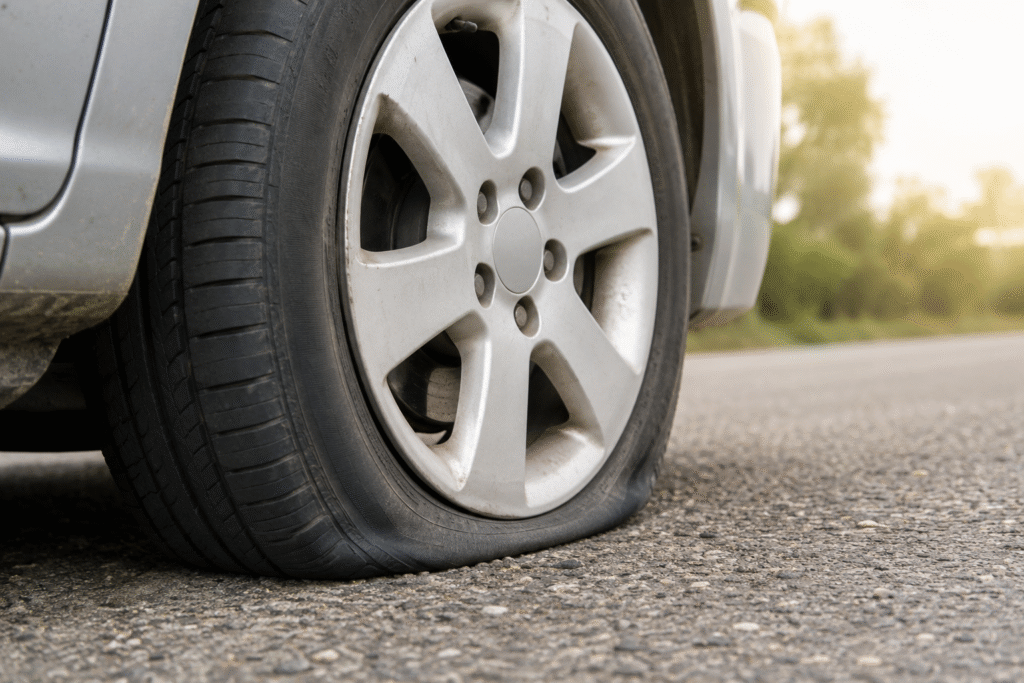
This is where a tyre pressure monitoring system can make a real difference.
Why Low Tyre Pressure Is a Problem
Your tyres are the only part of the vehicle touching the road. When tyre pressure drops below the recommended level, the tyre changes shape and creates more resistance against the road surface.
That extra strain can lead to:
- Increased tyre wear
- Poor fuel economy
- Reduced braking performance
- Overheating tyres
- A greater risk of blowouts
In many cases, tyre pressure drops gradually over time. Without regular checks or a TPMS fitted, drivers may not realise there is an issue until the tyre becomes dangerously low.
It Can Affect Handling and Braking
One of the first things drivers may notice with low tyre pressure is changes in vehicle handling.
The steering can feel heavier or less responsive, especially when cornering or driving at higher speeds. Braking distances may also increase because the tyres are not making proper contact with the road surface.
For larger vehicles like caravans, campervans, or motorhomes, this can become even more serious. Underinflated tyres can affect stability while towing and make the vehicle feel less controlled on motorways or uneven roads.
TyrePal offers:
These systems provide real-time tyre pressure and temperature monitoring while you drive.
Low Pressure Creates Heat and Increases Wear
Many drivers are surprised to learn that low tyre pressure creates excess heat inside the tyre.
When a tyre is underinflated, more of the rubber touches the road. This creates friction, and friction creates heat. Over time, excessive heat can weaken the tyre structure and increase the risk of a puncture or blowout.
This becomes even more important during:
- Summer journeys
- Long motorway drives
- Heavy towing
- Fully loaded vehicles
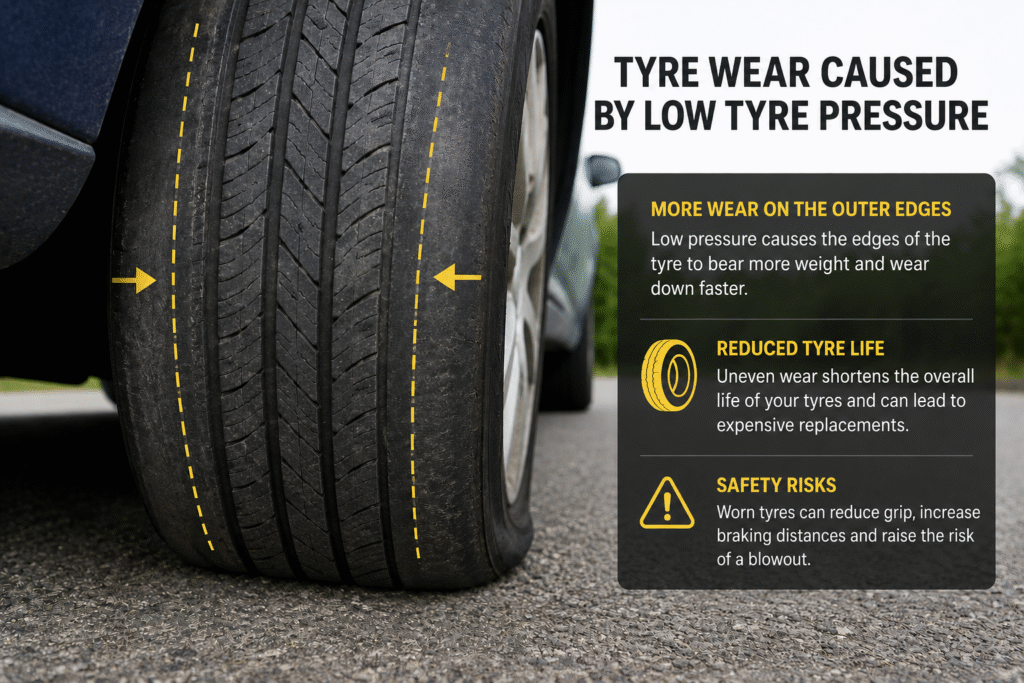
Underinflated tyres also wear unevenly, usually along the outer edges. This shortens tyre lifespan and can lead to expensive replacements much sooner than expected.
Fuel Economy Can Suffer Too
Low tyre pressure also increases rolling resistance, meaning the engine has to work harder to move the vehicle forward.
Even slightly underinflated tyres can lead to higher fuel consumption over time. While it might not seem noticeable on shorter journeys, regular driving with low tyre pressure can slowly increase running costs.
For commercial vehicles and fleets, this can become an expensive issue across multiple vehicles.
The OEM CAN-Bus TPMS Systems available from TyrePal are designed for buses and commercial vehicles, providing continuous tyre monitoring through CANbus integration.
How TPMS Helps Prevent Problems
A tyre pressure monitoring system helps drivers stay aware of changes while driving.
TyrePal TPMS kits provide:
- Real-time tyre pressure readings
- Tyre temperature monitoring
- Audible and visual alerts
- Warnings for slow punctures or rapid pressure loss
Because the sensors continuously monitor the tyres, drivers can react quickly before a small issue becomes a much larger problem.
Stay Safer on the Road With TyrePal
Low tyre pressure might seem like a small issue, but it can quickly lead to expensive repairs, poor fuel economy, unsafe handling, or even dangerous tyre failures.
Whether you drive a car, tow a caravan, travel in a motorhome, or manage a fleet, monitoring your tyre pressure properly is one of the simplest ways to improve road safety.
Explore our full range of TPMS solutions and find the right system for your vehicle today.