


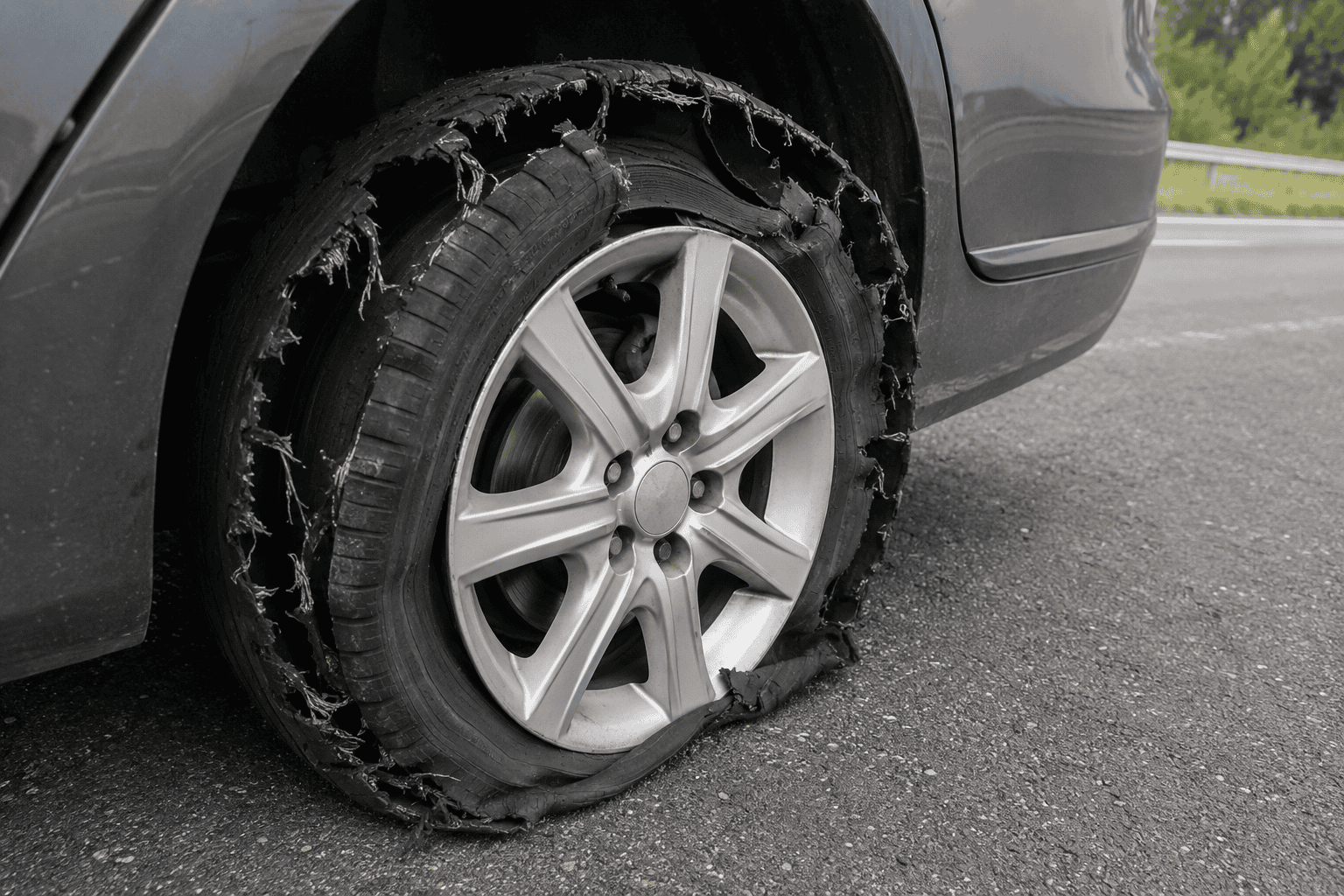
A tyre blowout is something every driver wants to avoid. Whether you’re travelling in a car, towing a caravan, driving a motorhome or operating a commercial vehicle, a tyre failure at speed can be dangerous, inconvenient and expensive.
While no technology can completely eliminate the risk of a blowout, a Tyre Pressure Monitoring System (TPMS) can play a vital role in identifying problems before they become serious. By providing real-time tyre pressure and temperature information, a TPMS gives drivers an early warning of issues that could otherwise go unnoticed.
What Causes a Tyre Blowout?
A tyre blowout occurs when a tyre suddenly loses air pressure, often resulting in a rapid deflation. There are several common causes, including:
- Underinflated tyres
- Overloaded vehicles
- Excessive tyre temperatures
- Damage from potholes or road debris
- Worn or ageing tyres
- Slow punctures that go undetected
Many of these issues develop gradually rather than happening instantly. This is where a TPMS can make a significant difference.

How a TPMS Helps Detect Problems Early
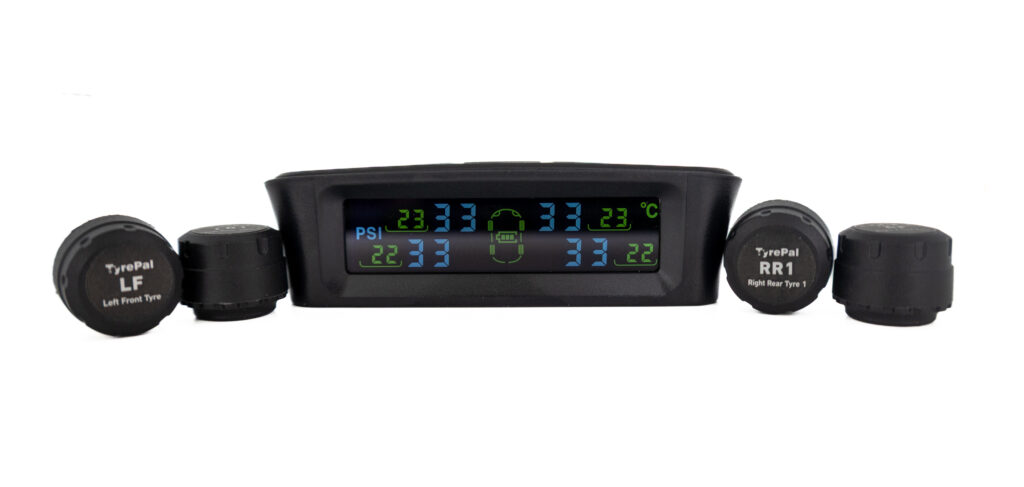
A TPMS continuously monitors the pressure and temperature of each tyre while you drive. If a tyre begins losing pressure or starts running hotter than normal, the system can alert you immediately.
Without a TPMS, drivers often rely on visual inspections or routine pressure checks. Unfortunately, it’s not always easy to spot a slow puncture or recognise a developing problem before it becomes dangerous.
With a TPMS installed, you can identify issues early and take action before they lead to tyre damage or failure.
Monitoring Tyre Temperature Matters Too
Many people focus solely on tyre pressure, but temperature is just as important.
When a tyre loses pressure, it creates additional friction as it rolls. This generates heat, which can weaken the tyre’s structure over time. High temperatures can also result from overloading, prolonged motorway driving or mechanical issues affecting the wheel.
Modern systems TyrePal’ TPMS systems monitor both pressure and temperature, helping drivers identify potentially dangerous conditions before they escalate.
Why This Is Especially Important for Caravans and Motorhomes
Tyre blowouts can be particularly serious when towing a caravan or driving a motorhome.
These vehicles often carry significant weight and cover long distances, placing additional stress on their tyres. A slow puncture on a caravan tyre may go unnoticed until substantial damage has already occurred.
A TPMS provides continuous monitoring throughout your journey, helping you spot issues quickly and reducing the likelihood of unexpected roadside incidents.
For many caravan and motorhome owners, tyre monitoring has become an important part of their travel safety routine.
A TPMS Is Not a Substitute for Maintenance
While a TPMS is a valuable safety tool, it should never replace regular tyre inspections and maintenance.
Drivers should still:
- Check tyre condition regularly
- Inspect tread depth
- Follow recommended tyre pressures
- Avoid overloading vehicles
- Replace damaged or ageing tyres when necessary
A TPMS works alongside these checks by providing ongoing monitoring while you’re on the move.
Reduce Risk and Travel with Greater Confidence
Although no system can completely prevent every tyre blowout, a TPMS can significantly reduce the risk by alerting you to pressure loss and abnormal temperature changes before they become major problems.
At TyrePal UK, we offer a range of TPMS solutions designed for cars, caravans, motorhomes, trailers and commercial vehicles. Browse our range of TPMS systems today and discover how continuous tyre monitoring can help protect your vehicle, your passengers and your journey.