


Emergency Vehicle TPMS: Reliable Tyre Monitoring When It Matters Most
Emergency services depend on vehicles that perform under pressure. Whether responding to a medical call, a fire, or a rescue, every part of an emergency vehicle must be dependable. Tyres are no exception. A dedicated emergency vehicle TPMS provides continuous tyre pressure and temperature data, helping drivers and fleet managers reduce risks and maintain confidence during urgent response operations.
Why Emergency Vehicles Need TPMS
Emergency vehicles carry heavy loads, travel at high speeds, and operate in unpredictable conditions. Under-inflated or overheated tyres can compromise handling, increase stopping distances, and put lives at risk.
An emergency vehicle TPMS gives drivers real-time readings of pressure and temperature, allowing problems to be addressed before they escalate into breakdowns or accidents. The result is greater safety, less downtime, and longer-lasting tyres.
Benefits of TPMS for Emergency Vehicles
An emergency vehicle TPMS delivers several important advantages that support both safety and operational efficiency:
Safety during response driving
Correct tyre pressures improve stability, reduce stopping distances, and provide more predictable handling—vital when travelling at speed or navigating tight urban areas.
Reduced downtime
Real-time alerts allow drivers and maintenance teams to address small problems before they develop into tyre blowouts or roadside breakdowns, keeping vehicles available for service.
Lower maintenance costs
By preventing uneven wear and excessive heat build-up, tyres last longer and require fewer replacements, reducing long-term running costs for the fleet.
Fuel efficiency
Well-maintained tyre pressures minimise rolling resistance, which can save fuel across a busy fleet, supporting both budget management and sustainability goals.

Compliance and Regulations in the UK
From July 2024, the UK introduced new vehicle safety requirements aligned with the General Safety Regulation. These rules make TPMS compulsory on newly registered HGVs, buses, coaches, and trailers. The systems must provide in-cab alerts if tyre pressures or temperatures move outside safe operating ranges.
For emergency services, the impact depends on vehicle classification. Larger ambulances, fire engines, and heavy rescue vehicles often fall within the affected categories, meaning TPMS must be included in any newly registered vehicles. Equipment trailers may also require compliance under UN ECE R-141, which mandates that tyre pressure warnings be transmitted to the towing vehicle.
Existing emergency vehicles are not obliged to retrofit TPMS, but integrating it into procurement and replacement strategies helps fleets stay compliant while reducing safety risks.
Choosing the Right TPMS Setup
The best system for an emergency vehicle fleet depends on how vehicles are used and maintained. Several proven components work together to deliver reliable results:

TCSE Sensors
Heavy-duty external sensors that attach directly to the valve. They are quick to fit, making them ideal for fleets that need a simple, reliable solution without removing tyres during installation.
TCSF Sensors
Based on the same technology as the TCSE but with a flow-through design. These allow pressures to be adjusted without removing the sensor, an advantage for vehicles requiring regular checks, such as long-haul rescue units or buses.

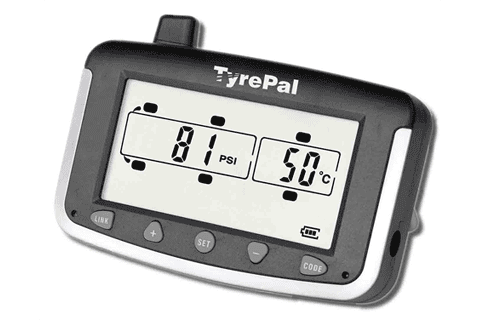
TC215 Monitor
The in-cab display that receives data from the sensors. Supporting up to 22 tyres and a maximum of 188 psi (12.5 bar), it provides live readings and clear alarms for sudden losses, overheating, or slow leaks. Automatic scrolling keeps the driver informed without distraction.
TCRR-2 Smart Signal Repeater
For longer vehicles or those built with materials that can block signals, this repeater strengthens communication between the sensors and the monitor. Compact and easy to install, it helps maintain reliable readings even in extended or complex vehicle layouts.
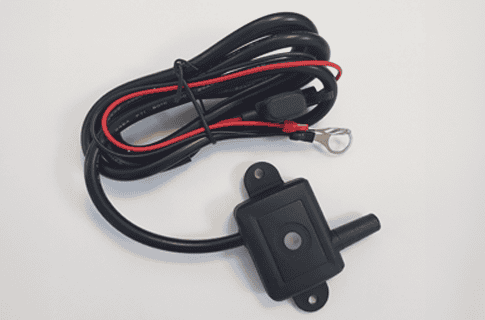
Together, these components create a monitoring system capable of supporting a wide range of emergency service applications.
Retrofitting TPMS to Existing Vehicles
Many emergency vehicles currently in service were not supplied with TPMS as standard. Retrofitting is a straightforward way to introduce these safety benefits across the fleet.
External sensors can be installed in minutes, screwing directly onto valve stems, while internal sensors mounted inside the tyre provide a longer-term solution. Both types connect wirelessly to a dashboard monitor. Once fitted, the system operates automatically, giving constant updates and instant alerts without requiring extra effort from the driver.
Ready to Equip Your Emergency Vehicle Fleet with TPMS?
Every second counts in emergency response, and tyre performance is too important to leave to chance.
Take a moment to browse our TPMS products, including sensors, monitors, and repeaters, to see which setup could work best for your fleet.
Got any questions? Our team is happy to help.
Contact us today to discuss your requirements and take the next step toward safer, more dependable emergency service operations.